




 ACL Injury
 Gall Bladder Stone
Breast Lump
Initial Steps:
Stay Calm: Not all lumps are cancerous; many are benign (non-cancerous).
Self-Examination: Keep track of the lump’s size, shape, and any associated symptoms (pain,
changes in the skin, discharge).
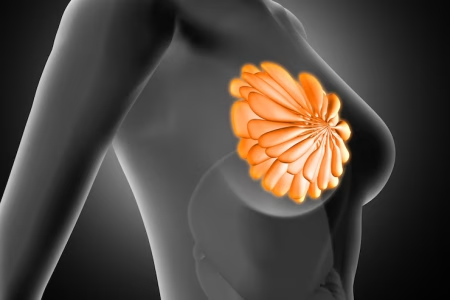
What is a Breast Lump?
Breast Lump is a swelling or bump in the breast that feels dierent from the surrounding
tissue. Not all lumps are cancerous, but it’s important to have any lump checked by a healthcare
provider. Lumps can vary in size, shape, and feel. They may be painless or tender, soft or rm,
and some may change with your menstrual cycle.
When to See a Doctor:
- If the lump is new or has changed in size or shape.
- If you experience pain, swelling, or any other unusual symptoms.
- Schedule a visit with a healthcare provider for evaluation.
Diagnostic Tests:
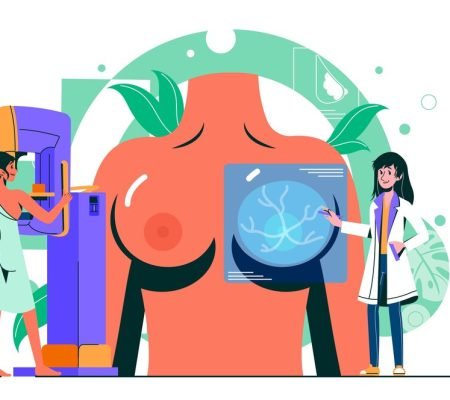
- Clinical Breast Exam: A healthcare provider will check your breasts.
Imaging Tests:
- Mammogram: X-ray of the breast.
- Ultrasound: Uses sound waves to create an image of the breast tissue.
- Biopsy: A small sample of breast tissue may be taken for testing to determine if the lump is benign or malignant.
Possible Causes of Breast Lumps:
- Fibrocystic Changes: Hormonal changes can cause lumpy or dense breast tissue.
- Cysts: Fluid-lled sacs that are usually benign.
- Fibroadenomas: Non-cancerous tumors made of glandular and connective tissue.
- Infections or Abscesses: Can cause localized lumps and animation.
- Breast Cancer: Although less common, it's essential to rule this out.
Treatment Options:
- Antibiotics for breast infections
- Fluid drainage for a breast cyst ( painful and large)
- Excisional biopsy ( suspicious for cancer, painful or large)
- If lump is biopsy – proven breast cancer .
- Cancer treatment may include lumpectomy, mastectomy, chemotherapy and radiation therapy.
- Monitoring: Some lumps require no immediate treatment but regular follow-ups.
- Medications: To manage pain or inammation if needed.
- Surgery: May be necessary to remove the lump if it is suspicious or bothersome.
Follow-Up Care:
- Regular check-ups and imaging as recommended by your healthcare provider.
- Self-exams: Continue performing monthly self-exams to monitor for changes.
Support:
Seek support from healthcare professionals, counselors, or support groups if you feel anxious or
uncertain.
Lifestyle Considerations:
- Maintain a healthy diet and regular exercise.
- Limit alcohol consumption and avoid smoking.
Conclusion:
Early detection and evaluation are key. If you notice any changes or have concerns about a breast lump, don’t hesitate to consult a healthcare provider. Remember, knowledge and proactive health measures are vital for your well-being.
- Take care of your body.if you notice any changes or something doesn’t feel right ,talk to your doctor.
- Pay attention to any changes in your breast and tell your doctor about any concerns.
- Discuss screening options with your doctor.
- Know your breast density, as it can aect your mammogram results.
- Update your doctor yearly about any changes in your family’s medical history.

When to consult breast surgeon ?
An unusual lump in breast / arm, that feels harder than the rest of the breast or dierent on one side as compared to the other Redness, pain or tenderness, nipple inversion, bloody/clear nipple discharge.
Nipple scaling or excoriations in nipple.
