Top Signs You May Have an Anal Fissure and When to Visit a Doctor
An anal fissure is a small tear in the lining of the anus that can cause significant pain and discomfort, especially during or after bowel movements. Although it is a common condition affecting people of all ages, many individuals mistake it for hemorrhoids and delay seeking medical care. Early diagnosis and treatment can prevent the fissure from becoming chronic and reduce the need for surgery.
If you are experiencing persistent anal pain or bleeding, consulting the Best doctor for anal fissure treatment is the first step toward lasting relief. An experienced Anal Fissure specialist in Guduvancheri can accurately diagnose the condition and recommend the most effective treatment based on its severity.
What Is an Anal Fissure?
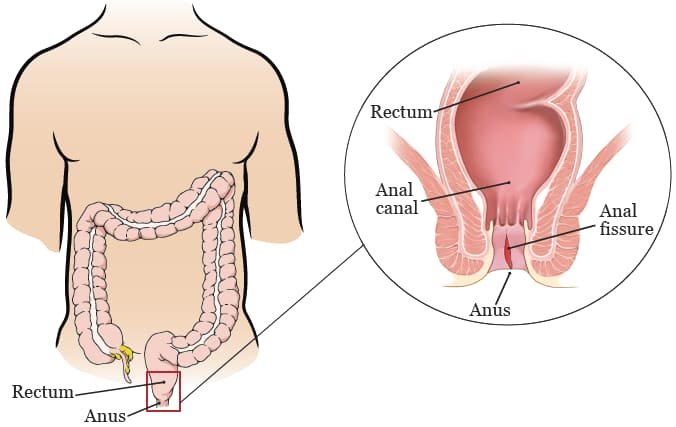
An anal fissure is a small cut or tear in the delicate lining of the anal canal. It commonly develops due to excessive stretching of the anal tissue during the passage of hard stools. However, frequent diarrhea, chronic constipation, childbirth, inflammatory bowel diseases such as Crohn’s disease, infections, or trauma to the anal region can also contribute to the condition.
Most acute anal fissures heal with conservative treatment, but untreated fissures can become chronic, leading to prolonged pain and muscle spasms that interfere with healing.
When Should You Visit a Doctor?
Many acute anal fissures improve within a few weeks with proper home care, but medical consultation is recommended if:
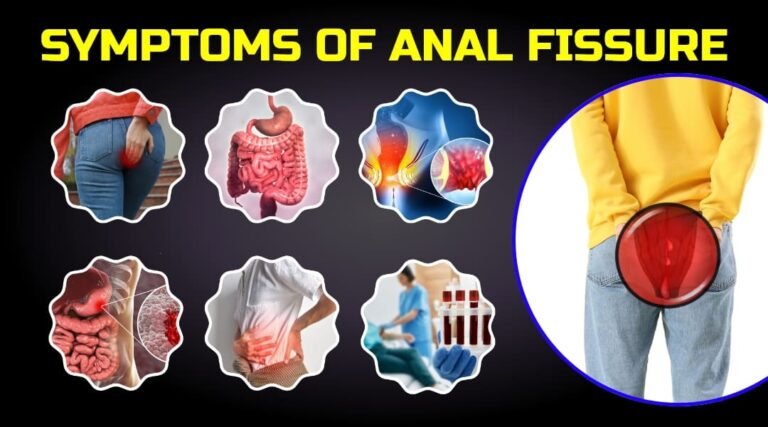
One of the earliest and most common symptoms is intense, sharp pain while passing stools. Many patients describe the pain as feeling like a cut or tear. The discomfort may continue for several minutes or even hours after a bowel movement.
2. Bright Red Blood on Toilet Paper
A small amount of bright red blood on toilet paper or in the toilet bowl is another common sign. Unlike bleeding from other digestive conditions, fissure-related bleeding is usually minimal but should never be ignored.
3. Burning or Stinging Sensation
Many people experience burning, stinging, or irritation around the anus after bowel movements. This irritation may worsen if the fissure remains untreated.
4. Visible Tear Near the Anal Opening
In some cases, a small crack or tear can be seen near the anus. Chronic fissures may also develop a skin tag, known as a sentinel pile, near the affected area.
5. Persistent Anal Pain
If the pain continues even after bowel movements or becomes severe enough to interfere with daily activities, the fissure may have progressed into a chronic condition that requires medical attention.
6. Itching Around the Anus
Healing fissures may cause itching around the anal area. Although mild itching can occur with many conditions, persistent itching combined with pain or bleeding should be evaluated by a healthcare professional.
7. Difficulty Passing Stools
Pain often causes patients to avoid bowel movements, leading to constipation. Harder stools further worsen the tear, creating a painful cycle that delays healing.
How Is an Anal Fissure Diagnosed?
Diagnosis usually begins with a detailed discussion of your symptoms and medical history. A careful physical examination is often enough to identify an anal fissure. Additional investigations may be recommended if the fissure appears atypical or if underlying conditions such as Crohn’s disease, infections, or colorectal disorders are suspected.
An experienced Anal Fissure specialist in Guduvancherican distinguish anal fissures from hemorrhoids, fistulas, abscesses, or other anorectal conditions to ensure the correct treatment plan.
Treatment Options for Anal Fissures
The treatment depends on whether the fissure is acute or chronic.
Conservative Treatment
Most newly developed fissures heal successfully with:
High-fiber diet
Increased water intake
Stool softeners
Warm sitz baths
Prescription ointments that relax the anal muscles
Pain-relieving medications
These measures reduce strain during bowel movements and allow the fissure to heal naturally.
Surgical Treatment
If symptoms persist despite conservative treatment or if the fissure becomes chronic, surgery may be recommended. Fissure surgery in Guduvancheri is considered when muscle spasms prevent proper healing.
The most common procedure is Lateral Internal Sphincterotomy (LIS), which gently relaxes the anal sphincter muscle, allowing improved blood flow and faster healing. The procedure is minimally invasive, offers excellent success rates, and allows most patients to return to normal activities within a short period.
Choosing the best anal fissure doctor ensures proper evaluation, safe surgery when required, and comprehensive follow-up care.
Tips to Prevent Anal Fissures
Simple lifestyle changes can significantly reduce the risk of developing anal fissures:
Eat plenty of fruits, vegetables, and whole grains.
Drink adequate water every day.
Avoid prolonged constipation.
Exercise regularly.
Do not strain during bowel movements.
Respond promptly to the urge to pass stools.
Maintain good anal hygiene.
These habits help keep stools soft and reduce pressure on the anal canal.
Why Early Treatment Matters
Ignoring an anal fissure can result in prolonged pain, repeated bleeding, chronic muscle spasms, and delayed healing. Early diagnosis not only relieves symptoms quickly but also reduces the likelihood of requiring surgery. Consulting an experienced Anal Fissure specialist in Guduvancheri at the earliest signs can help you recover faster and avoid long-term complications.
Get Expert Care at Kumaran Clinic
If you are experiencing pain, bleeding, or discomfort during bowel movements, don’t ignore the symptoms. Kumaran Clinic provides comprehensive diagnosis and treatment for anal fissures using advanced medical and surgical techniques. Whether you need consultation from the Best doctor for anal fissure treatment, evaluation by an Anal Fissure specialist in Guduvancheri, care from the best anal fissure doctor, treatment at a Top anal fissure clinic, or expert Fissure surgery in Guduvancheri, the experienced team at Kumaran Clinic is committed to delivering compassionate, personalized care to help you recover comfortably and regain your quality of life.
Very disappointing experience. The clinic has a restroom, but patients are not allowed to use it. They simply say there is no water. For common issues like cold or fever don’t visit. Overall, the service was not helpful and the experience was poor.
Hospital is good. Doc is polite and gentle in handling patient. Scans and physio activities are available here. Payment only via cash or gpay. No cards accepted. No appointments required and its open only by eve
Dr. Marenika Mam is a truly wonderful physician—grounded, humble, and exceptionally soft-spoken. From start to finish, her selfless care, remarkable commitment to patient well-being, and exemplary approach have been nothing short of commendable. I can confidently say that she is among the finest surgical gastroenterologists in Chennai and across India. Recently, my wife underwent a surgical procedure performed by Dr. Marenika. Throughout the entire experience, she maintained incredible empathy and ensured the entire course of treatment was completely stress-free. She clearly explained the surgical procedure beforehand, flawlessly organized all the necessary arrangements at the hospital, and thoughtfully avoided unnecessary follow-up visits or tests. Her communication was outstanding—she promptly responded to our WhatsApp messages and even called my wife personally the following day to check on her post-operative recovery. We truly felt her supportive presence every step of the way. Furthermore, the costs were not only competitive, but the final cost matched her initial quote exactly, with no hidden changes later on. We have never met a doctor so accommodating, transparent, and dedicated to patient care.
The consultation was very clear and the doctor explained me codition and the treatment option within the cost and was well cost effective and i would recommend if any people who look for good skilled and caring treatment i would recommend this clinic
Indeed very good artho specialist in our Guduvanchery area with utmost realistic care and concern on medical issues with appropriate treatment I have been received,
Orthopedic dr. Palanisami, thank you for making me understand/aware costo condretis and helping me recognize which movements creating the pain. It’s been a month, I didn’t have the pain.
When i asked, “when should i visit next”, doctor replied “No need to come, come only if you have any difficulty”. Such words shows doctor’s integrity and professionalism.
Consulted Dr.Marenika mam for surgery. She provided a clear explanation of the condition and treatment plan. Cleared lot of doubts without any hesitatation and always had a smiling face which gave a lot of confidence. From consultation to surgery and recovery—the care was excellent. Thank you mam!! Highly recommended!
Doctors were very friendly and professional. They explained everything very well with patience, I felt well informed. They have basic tests and were very quick, saved a lot of time.




 ACL Injury
 Gall Bladder Stone